The leather, steel or spruce inside a luxury object rarely explains the figure on its label. What explains a good share of it is time: the patient, unhurried and frequently invisible time of people whose skills took a decade to acquire. This room of the cabinet is about that time, and about the point where the arithmetic of labour gives way to something harder to measure.
The arithmetic of hours
Begin with a modest exercise. A skilled artisan in a Western European workshop costs far more than their wage: training, premises, tools, social charges and the years they spent producing nothing saleable while they learned. Machine production spreads those costs across thousands of identical units. A bag stitched by one person over several days cannot share its labour with anything else. That is the first and most honest layer of a luxury price: concentrated labour, undiluted by scale.
Yet hours alone would make luxury goods expensive, not extraordinary. Plenty of handmade things, from a village blacksmith's knife to a hand-thrown mug, carry real labour and modest prices. So the question becomes which kinds of hours command a premium, and why.
One bag, one pair of hands
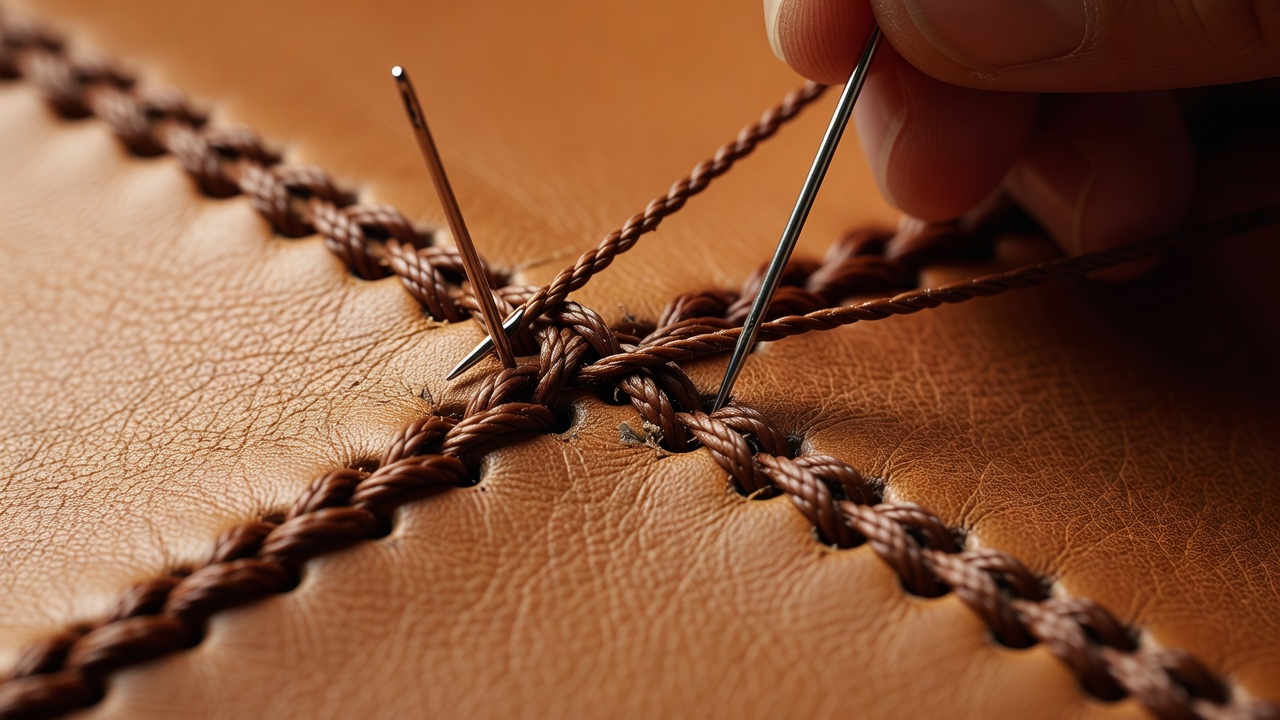
Hermès began in Paris in 1837 as a harness maker, and it still describes its Birkin and Kelly bags as the work of a single artisan from start to finish, sewn with a two-needle saddle stitch inherited from the stable. The number of hours per bag is frequently cited by the press as somewhere between fifteen and twenty-five. Hermès tends to speak of craftsmanship rather than publish a figure, so treat that range as reported rather than certified. The house trains its leather workers in its own schools for years before they touch the most demanding models.
The bag named after the actress Jane Birkin, introduced in 1984, illustrates the gap neatly. The labour is real and considerable. But the waiting, the allocation and the resale premiums that surround the bag have more to do with tightly controlled supply than with any extra stitch.
Movements assembled twice
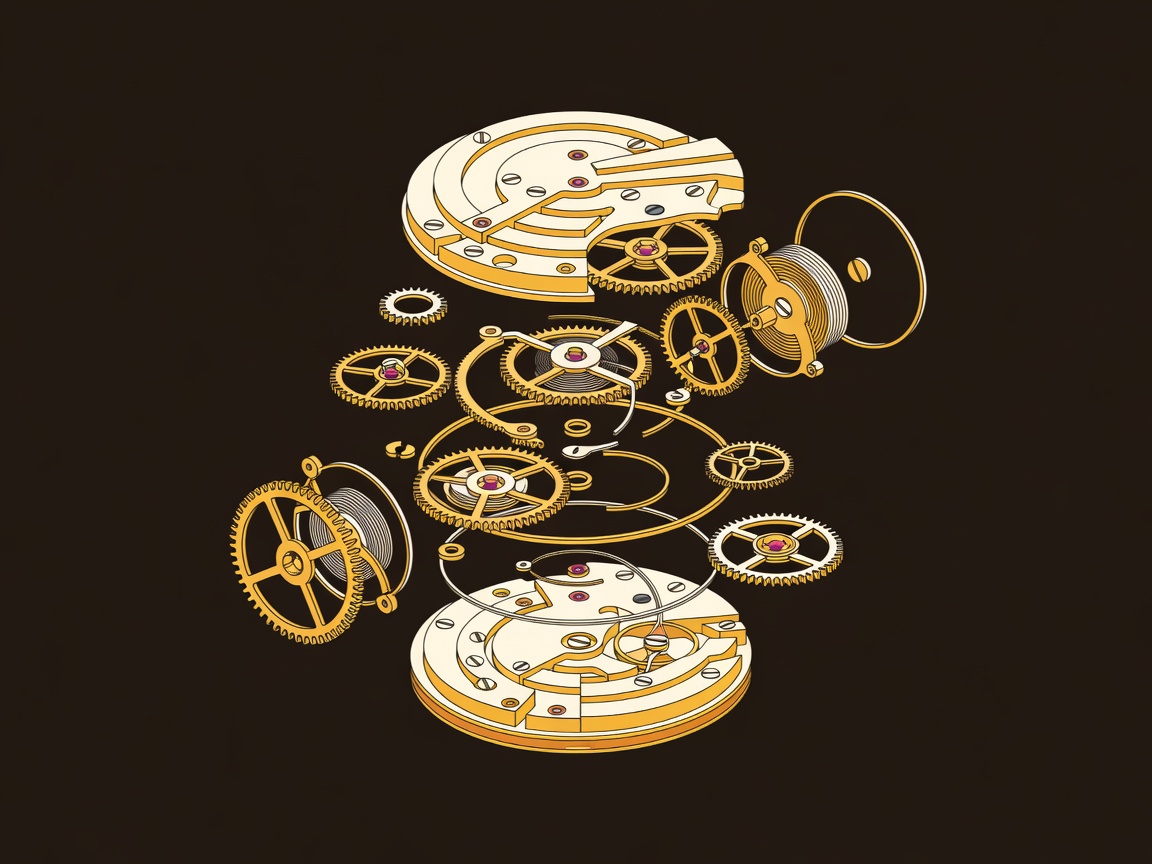
Fine watchmaking turns hours into something close to theology. A. Lange & Söhne in Glashütte, Saxony, says it assembles its movements twice: once to test and adjust, then fully dismantled, cleaned, decorated and assembled again. Patek Philippe's Calibre 89, made to mark the company's 150th anniversary in 1989, is widely reported to have taken around nine years from research to completion and to hold 33 complications.
Complications such as perpetual calendars, minute repeaters and tourbillons are expensive not because their parts are precious but because each must be shaped, finished and regulated by hand, often at a scale smaller than a grain of rice. Hand finishes like anglage, the bevelled and polished edge on a bridge, or perlage, the overlapping circular graining on a mainplate, are mostly hidden once the case is closed. Collectors pay for them anyway, which tells us something important: part of the value lies in knowing the work is there.
Wood, felt and patience
Steinway & Sons, founded in New York in 1853, builds a grand piano over a period commonly cited as close to a year. Much of that time is spent letting the bent maple rim and the soundboard rest and season. Here time means not only labour but waiting, and waiting ties up floor space, materials and capital. On Savile Row, houses such as Henry Poole & Co, established in 1806, describe a bespoke suit as a paper pattern drafted for one client and a sequence of fittings; the hand work is often cited at fifty hours or more. Neither figure makes the object priceless, but both explain why it cannot be cheap.
| Object or maker | Labour indication | Status of the figure |
|---|---|---|
| Hermès Birkin bag | One artisan; about 15–25 hours | Press reports; not published by the maker |
| A. Lange & Söhne movements | Assembled twice | Described by the maker |
| Patek Philippe Calibre 89 (1989) | About nine years, research to completion | Widely reported |
| Steinway grand piano | Close to one year | Commonly cited |
| Savile Row bespoke suit | 50+ hours of hand work | Commonly cited by tailors |
Where labour stops explaining the price
It would be tidy to stop there, but honesty requires one more step. Labour sets a floor, not a ceiling. Two watches with comparable hours inside can differ in price several times over because of the name on the dial, the reputation of the after-sales service, the depth of the house archive and the pleasure of belonging to a story. Thorstein Veblen described part of this in The Theory of the Leisure Class in 1899: for certain goods, a higher price can increase desirability rather than reduce it.
We prefer a gentler phrase. The price of a luxury object is partly the price of admission to a narrative. The stitching is real; so is the theatre around it. Recognising which part of a figure buys hours and which part buys story is the most useful skill a curious reader can develop, and it costs nothing at all.
Continue to Why scarcity changes the bidding to see what happens when hand-made objects leave the workshop and enter the auction room.
- Saddle stitch
- A hand stitch using two needles passing through each hole, so a broken thread does not unravel the seam.
- Complication
- Any watch function beyond hours, minutes and seconds.
- Anglage
- Hand-bevelled and polished edges on watch components.
- Bespoke
- Made from a pattern cut for one individual, as opposed to made-to-measure from an adapted block.