
Scarcity is the simplest idea in economics and the most theatrical one in a saleroom. If supply cannot grow, price is set entirely by the two most determined people in the room. Everyone else is audience. That is why a handful of results become headlines while thousands of perfectly respectable lots sell quietly within estimate, below it or not at all.
Hammer, premium and estimate
Before any record, learn the vocabulary. The estimate is the auction house's published guess at the hammer price, often set low to tempt bidders. The reserve is a confidential minimum below which the lot will not sell. The hammer price is the winning bid. The buyer's premium is a percentage added on top and paid to the house. Most headline figures, including those on this page, include the premium. Comparing a premium-inclusive figure with a hammer price is like comparing a restaurant bill with the menu price before service.
When there is only one
On 15 November 2017, Christie's New York sold Salvator Mundi, attributed to Leonardo da Vinci, for US$450.3 million including buyer's premium. It remains the highest documented price paid for a painting at auction. The attribution and the extent of restoration have been debated by scholars, which makes the result even more instructive. Fewer than twenty paintings are generally accepted as Leonardo's, and almost all are held by museums such as the Louvre and the National Gallery in London. The price reflected not only the picture but the near certainty that no comparable chance would come again.
Provenance as a multiplier
Rarity can also be manufactured by history. On 26 October 2017, Phillips in New York sold the Rolex Cosmograph Daytona once owned and worn by the actor Paul Newman for US$17.8 million. The reference itself is collectable; the documented link to Newman made this particular watch unique. Provenance converts a scarce type into a singular object.
The Patek Philippe made for the banker Henry Graves Jr. shows how a well-documented chain of ownership compounds over decades.
- 1925 · Henry Graves Jr. commissions a pocket watch from Patek Philippe intended to outdo all others in complications.
- 1933 · The finished watch, with 24 complications, is delivered to Graves.
- 1999 · Sotheby's New York sells it for US$11 million, a record for a watch at the time.
- 2014 · Sotheby's Geneva sells it on 11 November for CHF 23.2 million, premium included.
Two of a kind
Mercedes-Benz built two 300 SLR Uhlenhaut Coupés in 1955, road-going derivatives of its racing car named after engineer Rudolf Uhlenhaut. On 5 May 2022, RM Sotheby's sold one in a private auction at the Mercedes-Benz Museum in Stuttgart for €135 million, with proceeds directed to a scholarship fund. The company kept the other. When the entire global supply is two and one is not for sale, the word "market" is doing a lot of work.
Rarity you can drink
Some scarcity increases by itself. In October 2018, Sotheby's New York sold a bottle of 1945 Romanée-Conti from Domaine de la Romanée-Conti for US$558,000. The 1945 vintage is commonly cited at around 600 bottles. Every bottle opened reduces the supply of the rest, which makes wine one of the few collectables that its owners are tempted to destroy.
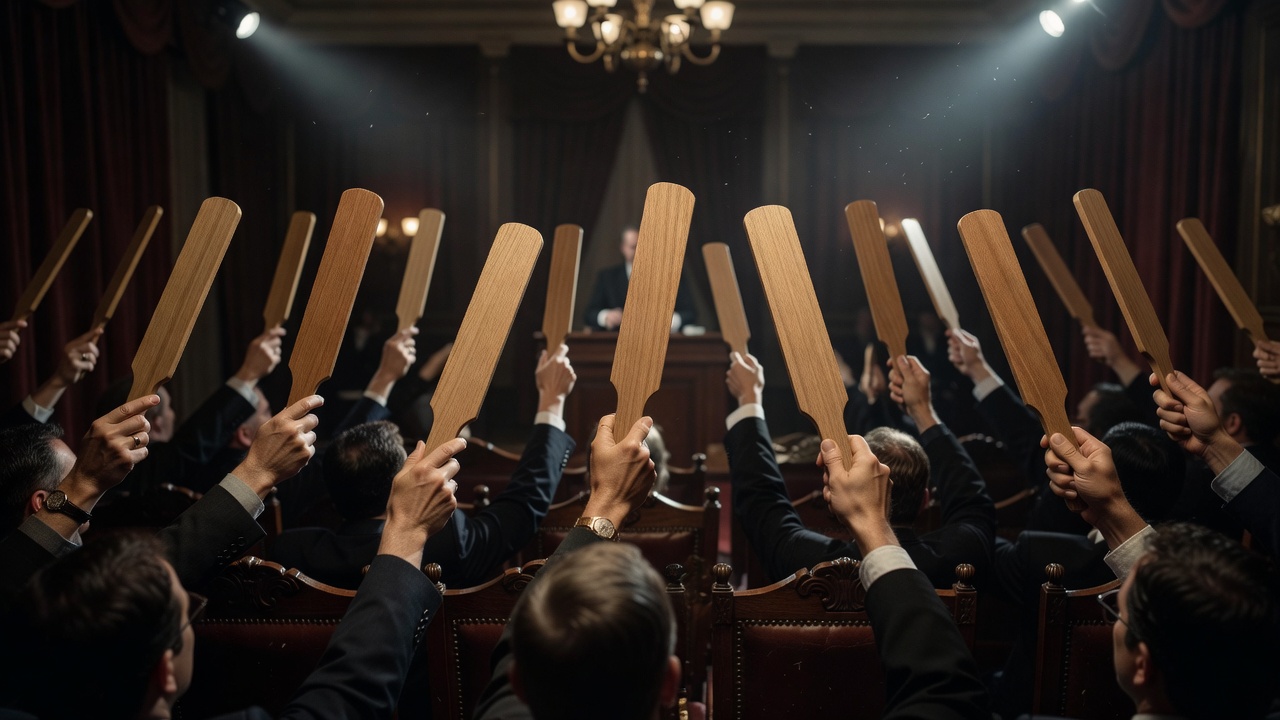
Spectacle and the room
Charity sales show that context can matter as much as the object. At the Only Watch charity auction at Christie's Geneva on 9 November 2019, a unique steel Patek Philippe Grandmaster Chime, reference 6300A, sold for CHF 31 million. Bidders were paying for a one-off watch, a cause and a moment. Such results are useful for understanding motivation and almost useless as a guide to what similar objects are worth.
| Lot | House, place, date | Price | Type of scarcity |
|---|---|---|---|
| Salvator Mundi, attributed to Leonardo | Christie's, New York, 15 Nov 2017 | US$450.3m | Singular work |
| Mercedes-Benz 300 SLR Uhlenhaut Coupé | RM Sotheby's, Stuttgart, 5 May 2022 | €135m | One of two |
| Patek Philippe Grandmaster Chime 6300A | Christie's (Only Watch), Geneva, 9 Nov 2019 | CHF 31m | Unique, charity |
| Patek Philippe Henry Graves Supercomplication | Sotheby's, Geneva, 11 Nov 2014 | CHF 23.2m | Unique, provenance |
| Paul Newman's Rolex Daytona | Phillips, New York, 26 Oct 2017 | US$17.8m | Provenance |
| Romanée-Conti 1945, one bottle | Sotheby's, New York, Oct 2018 | US$558,000 | Shrinking supply |
These are outliers, chosen because they illuminate how scarcity works. They are not evidence that collectables rise in value, and nothing here is an investment recommendation.
- Reserve
- A confidential minimum price agreed between seller and auction house.
- Guarantee
- An arrangement in which the house or a third party promises the seller a minimum result.
- Bought in
- A lot that fails to reach its reserve and returns unsold.